

Buying One of a Kind Jewelry: A 2026 Guide
Table of Contents
- What Makes Jewelry One of a Kind
- How to Buy Fine Jewelry Online with Confidence
- Understanding the Custom Jewelry Design Process
- One-of-a-Kind Engagement Rings: Personal Meaning and Symbolism
- Ethically Sourced Gemstones: Verification and Certification
- Materials, Durability, and Care by Jewelry Type
- Pricing, Value, and What You're Actually Paying For
- Sizing, Fit, and Practical Considerations
- Frequently Asked Questions
Last Updated: October 14, 2026
What Makes Jewelry One of a Kind
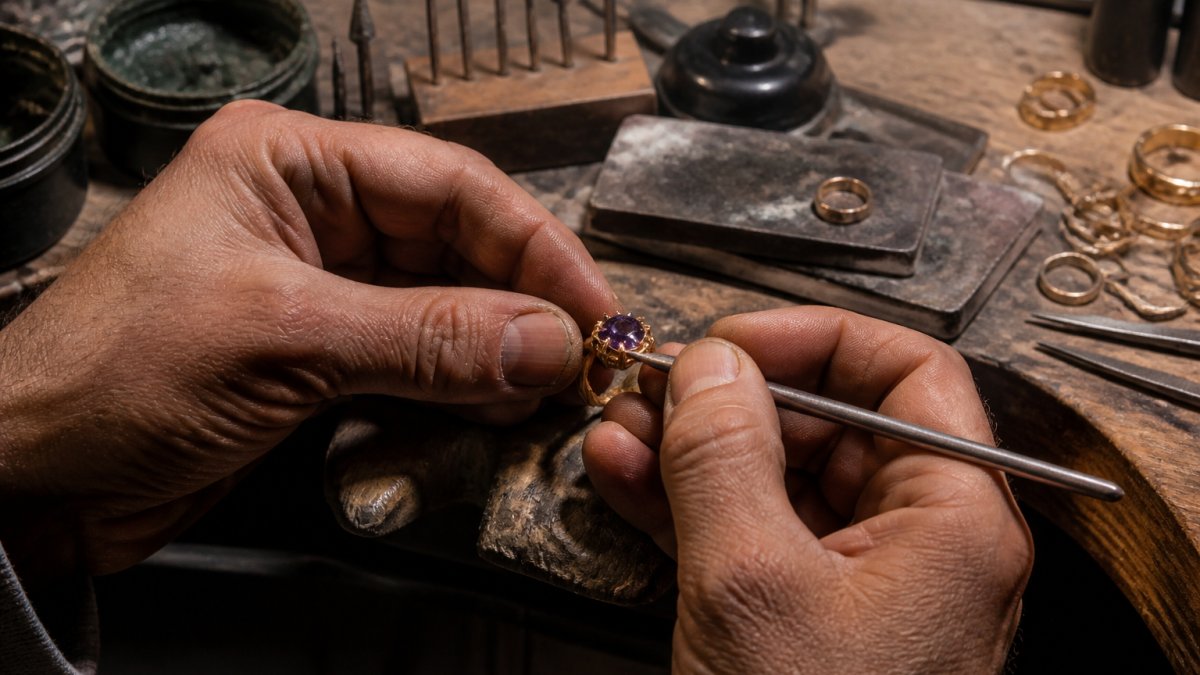
One-of-a-kind jewelry is created individually rather than mass-produced, so each piece carries its own design signature, materials, and story. At Certified Fine Jewelry, we specialize in these distinctive pieces, each designed and made by hand in Brooklyn using ethically sourced gemstones and fine metals.
What separates artisan jewelry from mass-produced alternatives is intentionality: a handcrafted piece reflects specific design choices, gemstone, metal weight, setting technique. Mass production optimizes for speed and consistency; artisan work optimizes for character and longevity.
You're paying for exclusivity, craftsmanship, and materials selected specifically for that piece.
How to Buy Fine Jewelry Online with Confidence
Buying fine jewelry sight-unseen carries real risk. The piece might not photograph the way it looks in person. The weight might feel different. The color might shift under different lighting.
The safest approach combines three elements: thorough documentation, clear return policies, and seller reputation. Before committing, know exactly what you're getting, what happens if you're disappointed, and whether the seller stands behind their work.
Verification Checklist for Authenticity and Craftsmanship
Before purchasing any one of a kind jewelry piece, verify these specific details:
- Certification documents included. Request a gemological certificate (GIA or equivalent) for any piece over $1,000; it confirms stone weight, color, clarity, and cut. Certified Fine Jewelry pieces come with full certification and appraisal.
- Metal content and weight stated clearly. The listing should specify "14k white gold" not just "gold," and include the total weight. This affects both durability and resale value.
- High-resolution images from multiple angles. Request close-ups of the setting, stone, back, and clasp in both daylight and studio lighting.
- Detailed description of any wear or patina. For vintage or pre-owned pieces, the seller should disclose surface condition, scratches, or repairs.
- Maker or designer information. Who created this piece, and do they have a documented history? Artisan jewelry gains value when the maker is established and verifiable.
- Provenance or sourcing statement. Where did the materials come from? Ethically sourced gemstones and recycled or conflict-free metals should be documented.
Return Policies and Online Purchase Protections
A strong return policy is your safety net. Here's what to look for:

Minimum acceptable terms: 30 days for returns, full refund if the piece doesn't meet the description, and prepaid return shipping for defects. Many sellers offer 60-90 days, which is better. If a jeweler won't accept returns, that's a red flag.
Condition requirements: Returns should be accepted unworn and unaltered. Avoid sellers who require "perfect condition" after you've tried the piece on.
Dispute resolution: Major platforms offer buyer protection.
Insurance during shipping: Confirm the seller insures the piece during transit. For items over $2,000, request signature-required delivery.
At Certified Fine Jewelry, we provide full certification and appraisal documents. Every piece ships with insurance and priority tracking.
Understanding the Custom Jewelry Design Process
Commissioning a custom piece means collaborating with a maker to create something that doesn't exist yet.
The process unfolds in four phases: consultation, design, production, and delivery. Some makers charge for design consultation upfront, others roll it into the final price; some require a deposit, others don't.
Cost varies with materials and complexity. The maker should provide a written quote breaking down materials, labor, and additional costs.
One-of-a-Kind Engagement Rings: Personal Meaning and Symbolism
An engagement ring is the physical manifestation of a commitment, worn daily and meant to last decades.
A mass-produced engagement ring is a commodity; thousands of identical rings exist.
A ring that tells your story, not a designer's story, feels different on your hand.
For engagement rings specifically, consider these design elements:
- Stone choice: Diamonds remain traditional, but sapphires, moissanite, and colored gemstones are increasingly chosen for personal meaning. A sapphire might reference a favorite place. A family heirloom stone reset in a new setting honors the past.
- Metal selection: Yellow gold, white gold, rose gold, and platinum each carry different visual weight and warmth, affecting how the stone appears and how the ring feels against skin.
- Setting style: A solitaire emphasizes the stone. A halo setting adds visual impact. A three-stone arrangement can represent past, present, future. The setting is where artisan craftsmanship becomes most visible.
- Personalization details: Initials, dates, or meaningful symbols engraved inside the band create private meaning. This is where a one-of-a-kind piece becomes truly personal.
The Tanzanite Diamond Ring in 14k white gold that Certified Fine Jewelry offers exemplifies this approach, a 5.30 TCW piece featuring a rare violet tanzanite with diamond accents, certified and appraised at $6,950.

Ethically Sourced Gemstones: Verification and Certification
"Ethically sourced" means different things depending on the stone. For diamonds, it typically means conflict-free certification.
Verification requires documentation. For diamonds, look for Kimberley Process certification; for colored stones, reputable makers track their supply chains and can explain where each stone came from.
Buying one of a kind jewelry means choosing a specific, often rare stone, so you should know its origin.
What to ask:
- Where was this stone mined or sourced?
- Has it been treated (heat-treated, irradiated, or otherwise enhanced)?
- Does it have a gemological certificate from an independent lab?
- Can the seller provide documentation of ethical sourcing?
For high-value pieces, these questions aren't optional, they're essential. A $5,000 gemstone deserves full transparency about its origin and treatment.
Materials, Durability, and Care by Jewelry Type
Different materials require different care. Understanding material properties helps you choose pieces you'll actually wear and maintain properly.
Sterling Silver, 14k Gold, and Fine Metals
Sterling silver (92.5% pure silver) is affordable but tarnishes, an oxidation that polishes off with a soft cloth or silver cleaner.
Akoya Tahitian Pearl Diamond Sapphire Necklace 14k Gold Certified $6,950 114992 →
14k gold (58.3% pure gold) is the standard for fine jewelry. 14k gold doesn't tarnish but can develop a patina with age, often considered desirable in artisan pieces.
Care guidelines:
- Polish silver as needed (tarnish is cosmetic, not structural)
- Remove jewelry before swimming, showering, or exercising
- Store in a dry place away from direct sunlight
Gemstones, Diamonds, and Colored Stones
Diamonds are the hardest natural gemstone (10 on the Mohs scale) and resist scratching, making them durable for any jewelry type. Colored gemstones vary significantly in hardness.
Softer stones should avoid contact with hard surfaces.
Durability ranking for daily wear:
- Diamond (10) - most durable
- Sapphire/Ruby (9) - excellent for rings
- Garnet/Tanzanite (7-7.5) - suitable for pendants, less ideal for rings
- Emerald/Opal (7.5-7) - protective settings recommended
Stick with warm soapy water and a soft brush for most colored gemstones.
Pricing, Value, and What You're Actually Paying For
Material costs: A 14k gold necklace with a 5-carat sapphire has real material value.
Labor costs: A skilled jeweler charges $50-150+ per hour.
Certification and appraisal: Professional gemological certification costs $100-300 per stone, and appraisal for insurance costs another $100-200.
Overhead: A maker with a Brooklyn studio, professional photography, secure shipping, and customer service has real costs built into the price.
When you buy one of a kind jewelry, you're not paying for a brand name or marketing budget.
Sizing, Fit, and Practical Considerations
A beautiful ring that doesn't fit is unwearable. A necklace that catches your hair is frustrating.
Ring sizing: Get professionally sized before ordering a custom ring.
Bracelet sizing: Measure your wrist and add half an inch for comfort.
Earring weight: Large or long earrings can cause ear fatigue or stretch earlobes over time.
Buying one of a kind jewelry is an investment in something meant to last.
| Decision Point | What to Verify | Why It Matters |
|---|---|---|
| Before Purchasing | Certification, metal content, maker reputation | Ensures authenticity and quality |
| At Checkout | Return policy, shipping insurance, documentation included | Protects your investment |
| Upon Arrival | Condition matches photos, all certificates included, proper sizing | Confirms you received what was promised |
| Long-term Care | Material-specific cleaning, storage, professional maintenance | Preserves value and wearability |
Featured External Resources:
According to the Gemological Institute of America's standards, all diamond and colored gemstone certifications should follow consistent grading protocols to ensure transparency in the jewelry market.
The Federal Trade Commission's guidelines on jewelry labeling require that precious metal content be clearly disclosed and that gemstone treatments be fully documented to protect consumers buying one of a kind jewelry online.
Frequently Asked Questions
How can I verify that a one-of-a-kind jewelry piece is truly handcrafted and not mass-produced?
Ask the jeweler for documentation of the design process, including sketches, design notes, or photos from creation. Handcrafted pieces often show subtle variations in finish and setting that mass-produced items lack. Request certification from recognized gemological laboratories like GIA or GAL, which verify authenticity and craftsmanship standards. Certified Fine Jewelry provides detailed appraisals and certificates of authenticity for every piece, confirming its one-of-a-kind status and hand-set construction.
What certifications should I look for when buying ethically sourced gemstones?
Look for certification from the Gemological Institute of America (GIA) or Gemological Appraisal Laboratory (GAL), which verify gemstone quality and authenticity according to international standards. For diamonds, Kimberley Process certification indicates conflict-free sourcing. For colored gemstones, ask the jeweler about their sourcing practices and whether they work directly with suppliers who maintain ethical standards. Certified Fine Jewelry specializes in ethically sourced fine colored gems and diamonds, providing full documentation of origin and certification.
Is one-of-a-kind jewelry significantly more expensive than mass-produced jewelry?
One-of-a-kind jewelry typically costs more due to artisan labor, custom design, and individually selected gemstones. However, price varies widely based on materials, gemstone quality, and designer reputation. For example, Certified Fine Jewelry offers pieces ranging from Diamond 14 Kt Gold Cufflinks Certified for $1,790 to a Natural White Opal Diamond Ring 14k Gold 11 TCW GIA Certified for $12,950. You're paying for exclusivity, superior craftsmanship, certification, and the assurance that no one else owns an identical piece, making it a meaningful investment for significant life milestones.
What should I ask a jeweler before buying a one-of-a-kind piece online?
Ask about return policies, shipping insurance, and how the piece will be photographed and described. Request detailed specifications including metal type, gemstone carat weight, cut, and color grades. Inquire about the design process timeline if custom work is involved, and ask for certificates of authenticity and appraisal. Verify the jeweler's experience and reputation through customer reviews and how long they've been in business. Certified Fine Jewelry has been trusted since 2002 with 1,500+ pieces sold and maintains a 4.9/5 rating on 1stDibs and 99.6% positive feedback on eBay.
How do I know a handcrafted piece will hold up as an heirloom for generations?
Examine the craftsmanship quality through detailed photos and ask about materials used: solid 14k or 18k gold, sterling silver, and certified gemstones are more durable than plated or lower-karat metals. Request information about the jeweler's experience and whether they stand behind their work. Handcrafted pieces made by established artisans with multi-generational expertise are more likely to withstand decades of wear. Certified Fine Jewelry's four-generation legacy ensures meticulous in-house setting and quality control, making each piece suitable for passing down as a meaningful family treasure.
What's included in the custom jewelry design process, and how long does it take?
The custom jewelry design process typically begins with consultation to discuss your vision, preferred materials, gemstones, and budget. The jeweler creates sketches or digital renderings for your approval. Once approved, the piece is hand-crafted and gemstones are individually set. Certified Fine Jewelry guides clients through every step, ensuring the final piece matches your vision for a truly personalized one-of-a-kind creation.
What return or exchange options should I expect when buying fine jewelry online?
Reputable jewelers offer return windows for pieces that don't meet expectations, with full refunds or exchanges. Ensure the jeweler covers return shipping and provides insurance during transit. Verify the return policy before purchasing, especially for custom or made-to-order pieces. Certified Fine Jewelry provides free priority shipping and detailed certifications with every purchase, giving you confidence in your investment. Always ask about the specific terms before committing to ensure you have protection if the piece doesn't work for you.
How do I choose between sterling silver, 14k gold, and other metals for durability?
14k gold offers a good balance of durability and purity for fine jewelry. Sterling silver (925) is affordable and beautiful but requires more maintenance and polishing over time. For heirloom pieces meant to last generations, 14k gold with certified gemstones is ideal. Certified Fine Jewelry pieces use 14k gold and sterling silver with certified gemstones, ensuring longevity and timeless elegance for meaningful occasions.