

Rare Colored Gemstone Jewelry for Collectors
Table of Contents
- What Makes Rare Colored Gemstones Valuable for Collectors
- Sapphires, Rubies, and Emeralds: The Foundation of Fine Colored Gemstone Jewelry
- Beyond the Classics: Alexandrite, Tourmaline, and Color-Change Gems
- Natural vs Lab-Grown Gemstones: What Collectors Need to Know
- Colored Gemstone Quality Factors: Color, Clarity, and Cut
- Gemstone Certification and Reports: Verifying Authenticity
- Building Your Rare Gemstones to Collect Collection
- Conclusion
- Frequently Asked Questions
Last Updated: October 18, 2026
What Makes Rare Colored Gemstones Valuable for Collectors
Rare colored gemstone jewelry for collectors represents far more than beautiful adornment. These pieces embody rarity, craftsmanship, and investment potential that distinguish them from mass-produced alternatives. For collectors, the value proposition hinges on three core factors: scarcity in nature, quality of color saturation, and authenticity verification.
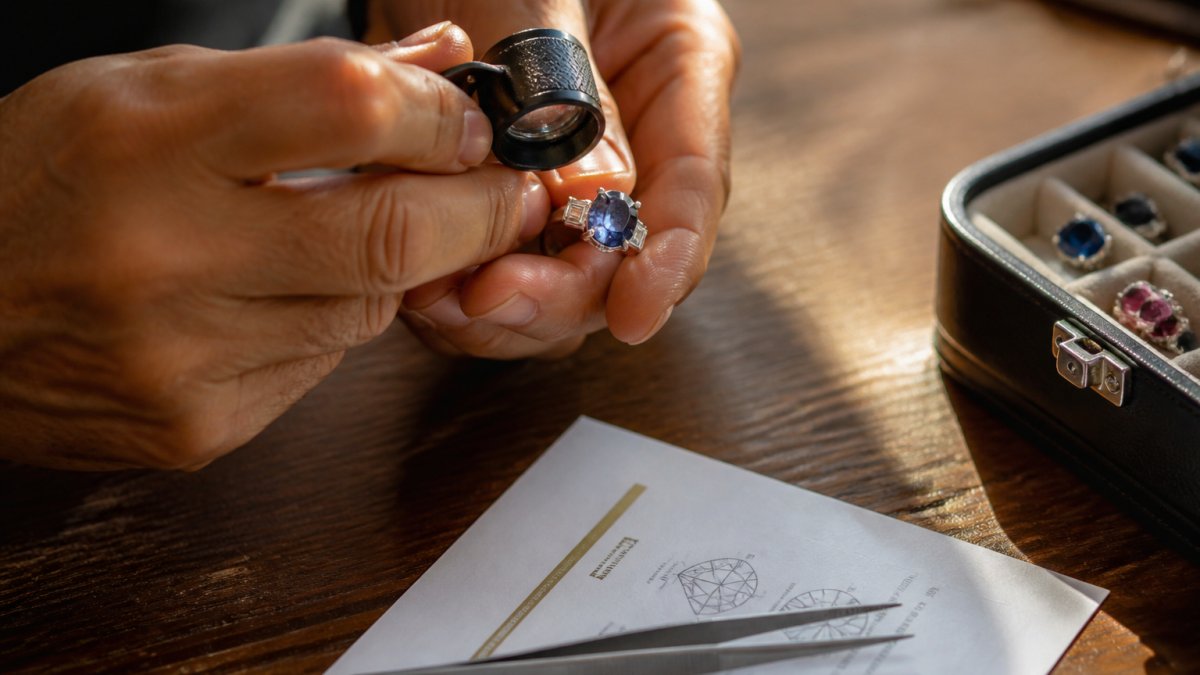
The market for fine colored gemstones has evolved significantly. Collectors now prioritize provenance and ethical sourcing alongside traditional quality metrics. Unlike diamonds, where standardized grading dominates, colored gemstones reward deeper knowledge.
At Certified Fine Jewelry, we've spent four generations curating pieces that meet collector standards. Our handcrafted approach means each piece tells a story through its gemstone selection and artisanal setting. When you're investing in rare colored gemstone jewelry for collectors, you're purchasing authenticity backed by certification and transparency.
The distinction between collector-grade and commercial-grade stones matters profoundly. A gemstone that photographs beautifully may lack the saturation, transparency, or origin story that collectors seek. This is where expertise intersects with passion: understanding what separates a notable stone from a truly exceptional one.
Sapphires, Rubies, and Emeralds: The Foundation of Fine Colored Gemstone Jewelry
These three stones form the bedrock of serious gemstone collecting. They command respect in the market, maintain strong resale value, and offer the deepest color saturation among all precious stones.
Sapphires extend far beyond the familiar blue. Padparadscha sapphires, named for their lotus-blossom pink-orange hue, represent one of the rarest color variations. Orange-pink sapphires and intense blue sapphires from Kashmir or Burma command premium prices because their color saturation is exceptional.
Our Natural Multicolored Sapphire Ring showcases this diversity. The 5.28 TCW piece features emerald-cut sapphires in green, blue, yellow, and violet, a testament to sapphire's color range. This type of multicolored composition appeals to collectors seeking visual complexity within a single stone.

Rubies represent the most valuable member of the corundum family. A ruby's value correlates directly with its red saturation. The finest rubies come from Burma (Myanmar), where the chromium content produces that coveted "pigeon's blood" red.
Emeralds present a different collector equation. Most emeralds contain visible inclusions, a characteristic collectors have learned to accept rather than penalize. What matters is vivid green color, transparency despite inclusions, and origin. Colombian emeralds, particularly from the Muzo region, command premium prices.
Beyond the Classics: Alexandrite, Tourmaline, and Color-Change Gems
Collectors seeking differentiation explore the secondary precious stones. These offer rarity, unique optical properties, and stories that classic stones cannot match.
Alexandrite stands alone among colored gemstones for its color-change property. In daylight, alexandrite appears green or blue-green. Under incandescent light, it shifts to red or purplish-red. This phenomenon, caused by chromium impurities, fascinates collectors and justifies premium pricing.
Tourmaline encompasses an extraordinary spectrum of colors. Indicolite tourmaline, the blue-green variety, appeals to collectors for its clarity and vibrant saturation. Our Natural Indicolite Tourmaline Diamond Ring features a 1.32-carat indicolite in emerald cut, complemented by 0.36 carats of diamonds.
Rubellite tourmaline, the deep pink to red variety, represents another collector favorite. Our Diamond Rubellite Tourmaline Drop Earrings showcase this rarity. The 2.93 TCW piece pairs purplish-pink rubellites with diamonds in 18k white gold. Rubellite's scarcity and vibrant hue make it a strategic addition to collections seeking color diversity.
Kunzite, a lithium aluminum silicate, appeals to collectors drawn to pink and violet stones. Our Natural Kunzite Diamond Ring features a 14.34-carat kunzite in light pink saturation, a substantial stone that demonstrates kunzite's potential for scale without astronomical pricing.
Natural vs Lab-Grown Gemstones: What Collectors Need to Know
This distinction has reshaped the collector market. Lab-grown stones are chemically identical to natural ones, yet collectors maintain strong preferences for natural origins.
Natural gemstones derive their value partly from their scarcity. A natural ruby required millions of years of geological conditions to form. Lab-grown rubies, while visually identical, lack that temporal and geological narrative. For collectors, this matters.
The certification process distinguishes natural from lab-grown. Gemological laboratories, including the GIA (Gemological Institute of America), can identify lab-grown stones through advanced testing. All Certified Fine Jewelry pieces include certification documentation that specifies whether stones are natural or lab-created. This transparency is non-negotiable for serious collectors.
Pricing reflects the natural-versus-lab distinction sharply. A natural sapphire of exceptional quality commands multiples of what an identical lab-grown version costs. For collectors, this pricing differential represents opportunity: investing in natural stones preserves and potentially appreciates value, while lab-grown stones depreciate toward manufacturing cost.
The ethical sourcing conversation adds nuance. Lab-grown stones eliminate mining-related environmental concerns, appealing to collectors with sustainability priorities. However, many collectors view natural stones from ethical sources, responsibly mined and documented, as the ideal. This is where Certified Fine Jewelry's four-generation commitment matters.
Colored Gemstone Quality Factors: Color, Clarity, and Cut
Understanding the quality hierarchy separates collectors from casual buyers. The traditional "Four Cs" (carat, clarity, color, cut) apply to gemstones, but the weighting differs significantly from diamonds.
Color dominates the gemstone quality equation. A gemstone's color saturation, hue, and tone determine its appeal and value far more than any other factor.
Hue specificity matters. A ruby should be pure red or slightly purplish-red, never orange-red or brownish-red. An emerald should be pure green or slightly bluish-green. A sapphire's ideal blue contains no green or purple cast.
Natural Multicolored Sapphire Ring Size 6.5 14k Y Gold 5.28 TCW Certified →
Clarity in colored gemstones differs fundamentally from diamond clarity. Most fine colored gemstones contain visible inclusions. Collectors accept this. What matters is whether inclusions affect transparency or durability.
Cut influences how light interacts with the stone. A well-cut gemstone displays its color optimally. Emerald cuts, cushion cuts, and brilliant cuts each serve different purposes. Emerald cuts showcase color clearly. Brilliant cuts maximize sparkle. Collectors choose cuts that complement their specific stone's characteristics.
Carat weight matters, but only in context. A larger stone of lower quality is less desirable than a smaller stone of exceptional quality. Collectors recognize that a 3-carat gemstone of museum quality outperforms a 10-carat stone of commercial quality.
| Quality Factor | Priority Level | Collector Focus |
|---|---|---|
| Color saturation | Critical | Vivid, intense hues preferred |
| Hue accuracy | Critical | Pure colors without cast |
| Transparency | High | Clear, not cloudy |
| Inclusions | Moderate | Acceptable if not affecting durability |
| Cut quality | High | Optimizes color display |
| Carat weight | Moderate | Quality over quantity |
Gemstone Certification and Reports: Verifying Authenticity
Certification separates legitimate collector pieces from undocumented stones. A certification report from a recognized gemological laboratory provides the authentication that serious collectors require.
The Gemological Institute of America (GIA) and Gemological Appraisal Laboratory (GAL) represent the standards for certification. Both organizations employ rigorous testing protocols to verify gemstone identity, measure quality characteristics, and document findings.
A certification report specifies:
- Stone species and variety (e.g., corundum/sapphire)
- Color description (hue, tone, saturation)
- Clarity characteristics and inclusions
- Cut and measurements
- Carat weight
- Treatment disclosures (if any)
- Origin assessment (when determinable)
Treatment disclosure represents a critical component. Many gemstones undergo treatments to enhance color or clarity. Heat treatment of sapphires is standard and accepted (How does heat treatment affect a sapphire’s value?). Surface diffusion or fracture filling, however, diminishes value.
Our Natural Ethiopian Opal Sapphire Necklace exemplifies this documentation. The 11.5 TCW piece carries both GIA and GAL certification, confirming the Ethiopian opal's natural origin, the sapphires' quality, and the 14k rose gold setting's authenticity. This dual certification provides collectors with independent verification from two recognized authorities.

Collectors should request certification reports before purchasing. Reputable dealers provide these documents as standard practice. If a seller cannot produce certification or claims it is "in process," proceed with caution. Authenticated pieces command premium prices because collectors understand that documentation protects their investment.
Building Your Rare Gemstones to Collect Collection
Strategic collection building requires understanding your objectives, budget, and aesthetic preferences.
Color-focused collectors seek to acquire the spectrum. They might pursue a vivid blue sapphire, a deep red ruby, a green emerald, a pink tourmaline, and a purple amethyst.
Stone-focused collectors deepen expertise in one category. A sapphire specialist might pursue stones from different origins, Kashmir blue, Burmese red, Ceylon orange-pink, each with distinct characteristics.
Designer-focused collectors prioritize the maker's vision and craftsmanship. They might collect pieces from a specific jeweler whose aesthetic and technical execution resonate. Certified Fine Jewelry's four-generation heritage appeals to these collectors.
Practical collection building starts with education. Learn to recognize quality. Understand color saturation, hue accuracy, and how different cuts display color. Visit museums and galleries. Handle stones. Develop your eye.
Next, establish your budget and timeline. Building a meaningful collection requires patience and incremental investment. Rather than one large purchase, consider steady acquisition of pieces that align with your vision.
Finally, prioritize authenticity and documentation. Every piece in your collection should include certification, provenance information, and clarity about any treatments.
Conclusion
Rare colored gemstone jewelry for collectors represents a convergence of art, science, and investment. The market rewards those who understand quality factors, recognize authenticity, and appreciate the stories embedded in each stone. Building a collection is a journey, one that deepens as your knowledge expands and your eye refines.
At Certified Fine Jewelry, we've built our reputation on handcrafted excellence and ethical sourcing. Our pieces, from the Natural Emerald Diamond Ring to the Diamond Tourmaline Tsavorite Pendant Necklace, demonstrate how artisanal craftsmanship elevates rare colored gemstone jewelry for collectors. Each piece arrives with full certification, documentation of stone origins, and the assurance that you're investing in authenticity. Shop now and discover how our four-generation legacy of Brooklyn-based craftsmanship can anchor your collection.

Frequently Asked Questions
What makes a rare colored gemstone suitable for a collector?
Collectors prioritize natural origin, vivid color saturation, transparency, and documented provenance. Rarity of the specific color or variety, such as Padparadscha sapphires or fine indicolite tourmaline, adds collector value. Certification from recognized labs like GIA confirms authenticity. The gemstone should also show minimal treatment or be clearly disclosed if treated. Exceptional pieces from reputable artisanal makers, like those handcrafted in Brooklyn by Certified Fine Jewelry, command premium prices because each is one-of-a-kind and crafted to heirloom standards.
How do I verify that a colored gemstone is natural and not lab-grown?
Request a gemstone certification report from an independent laboratory such as GIA or GAL. These reports document whether a stone is natural, lab-created, or treated. Natural gemstones show characteristic inclusions and growth patterns that lab-grown stones lack. Certificates also detail color origin and any treatments applied. When purchasing rare colored gemstone jewelry, always ask for certification and verify the lab's credentials. Certified Fine Jewelry provides GAL and GIA certifications with every piece, ensuring transparency and authenticity.
Which colored gemstones are most valuable for collectors?
Fine rubies, emeralds, and sapphires, especially in vivid, saturated colors, command the highest prices. Rare color varieties like Padparadscha sapphires (orange-pink), color-change alexandrite, and fine tanzanite are highly sought. Tourmaline in deep green or vibrant pink, kunzite in pure pink, and exceptional opals also attract serious collectors. Rarity of hue combined with transparency, size, and treatment history determines value. Pieces like the Natural Emerald Diamond Ring (13.14 TCW, $9,775) or the Ethiopian Opal Sapphire Necklace (11.5 TCW, $8,950) represent the premium tier of collector-grade gemstones.
What documentation should I receive when buying rare colored gemstone jewelry?
Request a certificate of authenticity, a gemological appraisal report, and detailed provenance information. The certificate should specify the gemstone type, color, clarity, treatment status, and measurements. The appraisal should include the appraised value and be conducted by a qualified gemologist. For ethically sourced pieces, ask about the gem's origin and sourcing practices. Certified Fine Jewelry provides certificates of authenticity, professional appraisals, and free priority shipping with every piece, ensuring you have complete documentation for investment and insurance purposes.